
Quick Answer
Iridology is the belief that patterns, colours, marks, or zones in the iris can reveal information about a person’s overall health, including problems in specific organs. However, scientific studies and systematic reviews have not found reliable evidence that iridology can diagnose disease. While the eyes can reveal some real medical conditions during a proper eye examination, this is not the same as iridology. The safest answer is this: your eyes can provide useful health information, but iridology itself is not a proven diagnostic tool.
What Is Iridology?
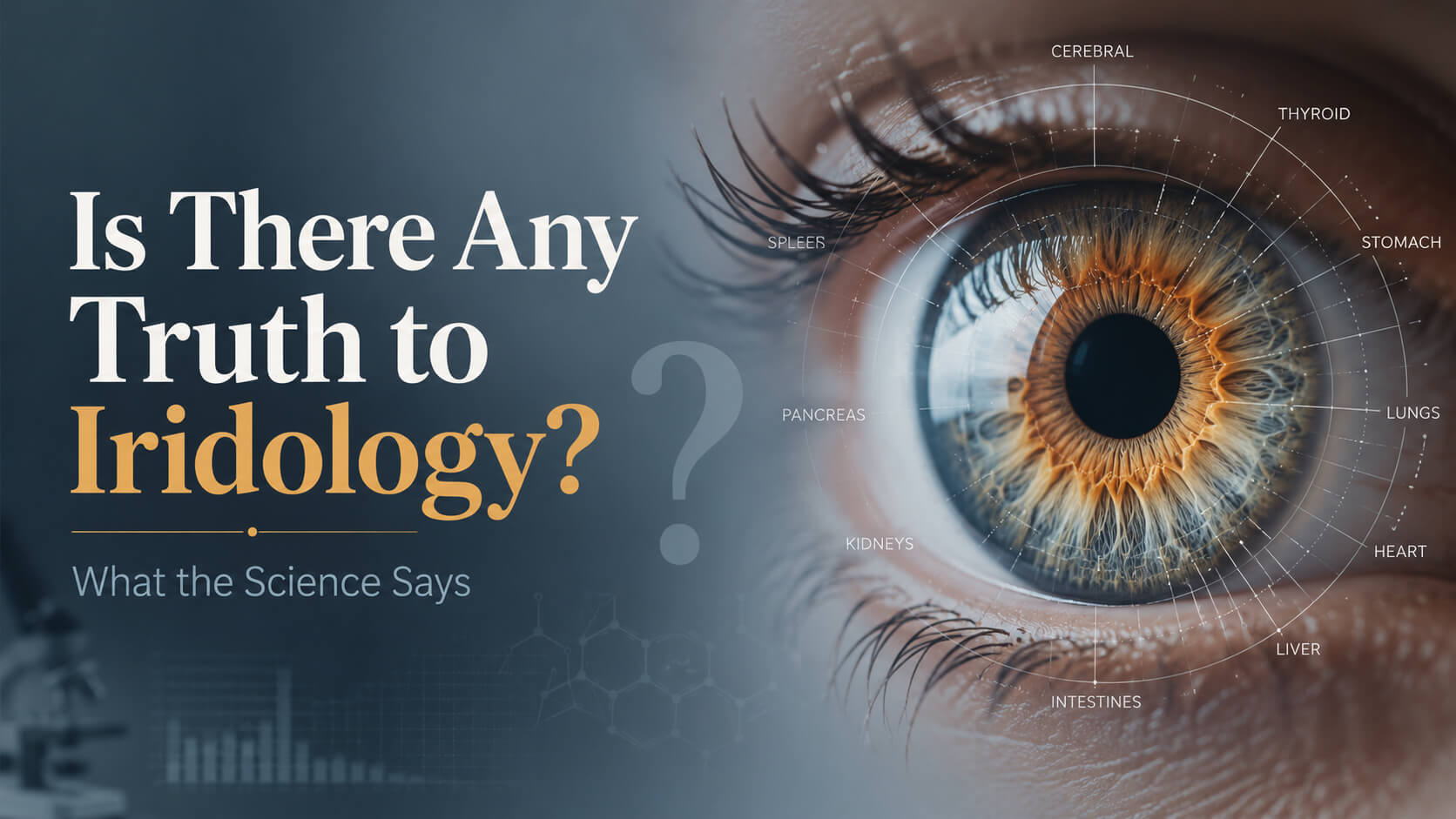
Iridology, sometimes called iris diagnosis or iridiagnosis, is an alternative health practice based on the idea that the iris — the coloured part of the eye — reflects the condition of different organs and systems in the body.
Practitioners often use an “iris chart”, which divides the iris into zones supposedly linked to parts of the body such as the liver, kidneys, lungs, spine, digestive system, and so on. The claim is that markings, colour changes, fibres, rings, spots, or structural patterns in those zones may reveal weaknesses, inflammation, toxicity, inherited tendencies, or disease.
It sounds wonderfully neat, doesn’t it? Almost suspiciously neat. Like a sat-nav for your spleen.
The problem is that biology is rarely that tidy. The human body is complicated, disease is complicated, and the iris is not a mystical medical dashboard with tiny warning lights for “your gallbladder is having a tantrum”.
That does not mean the eye is medically unimportant. Quite the opposite. Proper eye examinations can detect or help monitor several genuine health conditions. But iridology is a very specific claim: that the iris itself maps to internal organs and can be read diagnostically. That claim needs evidence. And this is where things start to wobble.
Is There Any Scientific Evidence for Iridology?
The short answer is: not convincing evidence.
Several controlled studies have tested whether iridology can accurately identify disease. The results have repeatedly failed to support it as a reliable diagnostic method.
A systematic review published by Edzard Ernst in 1999 looked at available scientific evaluations of iridology and concluded that its validity as a diagnostic tool was not supported. A later article in Archives of Ophthalmology described iridology as “not useful and potentially harmful”, largely because incorrect reassurance or false alarms can both cause damage.
This matters because diagnostic tools need to do more than sound interesting. They need to work.
A medical test should reliably identify people who have a condition and reliably exclude people who do not. In plain English: it should not tell healthy people they are ill, and it should not tell ill people they are fine. That is not an unreasonable bar. It is the bare minimum. Medicine is fussy like that, for annoyingly good reasons.

What Have Studies Found?
Different studies have tested iridology against conditions such as kidney disease, gallbladder disease, cancer susceptibility, colorectal cancer, and hearing loss. The pattern is not flattering.
One well-known evaluation involved patients with and without kidney disease. Iridologists were asked to identify which patients had kidney impairment by examining iris photographs. They were unable to do so reliably.
Another study investigated whether iridology could identify gallbladder disease. Again, the results did not support iridology as a useful diagnostic aid.
A prospective case-control study looked at whether iridology could detect susceptibility to common cancers. It did not provide support for iridology as a useful cancer diagnostic tool.
A study on colorectal cancer found no validity for iridology in detecting the disease.
There are also newer papers exploring computer-aided iridology, image processing, and machine learning approaches. These may sound more scientific because they involve software, algorithms, and enough technical language to make a normal human reach for tea. But using artificial intelligence or image analysis does not automatically make an underlying theory valid. If the basic diagnostic map is wrong, giving it a laptop does not magically make it right.
Why Do People Believe Iridology Works?
This is where we need to be fair. People are not stupid for being curious about iridology. Many are looking for answers because they feel dismissed, rushed, or under-supported by conventional healthcare. Others are drawn to it because it feels personal, visual, natural, and non-invasive.
There are also psychological reasons why iridology can feel convincing.
1. Vague Statements Can Feel Personally Accurate
If someone says, “I can see signs of digestive weakness,” many people can connect that to bloating, indigestion, stress, diet, or last night’s questionable takeaway. Broad statements can feel precise when they are actually quite general.
2. People Remember the Hits and Forget the Misses
If an iridologist says ten things and two feel accurate, those two may stick in the mind. The eight vague or wrong statements quietly wander off into the bushes.
3. Health Anxiety Makes Certainty Attractive
When people are worried about their health, a confident explanation can feel reassuring, even when the explanation is not evidence-based. Confidence is not the same as accuracy. Plenty of people are confidently wrong. The internet runs on it.
4. The Eye Really Can Show Some Health Clues
This is the bit that gives iridology a foothold. The eyes genuinely can reveal certain medical signs. But the important distinction is that medically trained optometrists, ophthalmologists, and doctors are not reading mystical iris zones. They are examining actual anatomy: the retina, optic nerve, blood vessels, cornea, lens, pupil responses, eye pressure, and visible tissue changes.
That is real eye medicine. Iridology is something else.


Can the Eyes Reveal Health Problems?
Yes, absolutely. But not in the way iridology claims.
A proper eye examination can sometimes reveal signs linked to systemic conditions, meaning conditions affecting the wider body. For example, diabetic eye screening looks for diabetic retinopathy, an eye condition caused by diabetes that can damage the retina and threaten sight if not detected and treated early.
The retina is the light-sensitive layer at the back of the eye. Unlike most blood vessels in the body, retinal blood vessels can be directly examined using specialist equipment. That makes the eye genuinely useful in detecting certain vascular, neurological, inflammatory, and metabolic problems.
Examples of real health-related eye findings include:
- Diabetic retinopathy, caused by damage to retinal blood vessels from diabetes.
- Hypertensive retinopathy, where high blood pressure affects blood vessels in the retina.
- Optic nerve changes, which may indicate eye disease or neurological problems.
- Yellowing of the whites of the eyes, which can sometimes be linked to jaundice.
- Changes in pupil reactions, which can sometimes suggest neurological issues.
- Inflammatory signs that may be associated with autoimmune disease.
None of this validates iridology. It simply shows that the eye is medically important.
In other words, your eyes can reveal useful health information. But that does not mean every colourful iris pattern is a coded message from your liver. Your liver has enough to deal with without becoming an interior designer.
Iridology vs Proper Eye Examination
A proper eye examination is performed by a qualified optometrist, ophthalmologist, or medical professional using validated methods and equipment. Depending on the exam, this may include checking vision, examining the retina, measuring eye pressure, assessing the optic nerve, looking at blood vessels, and checking for signs of eye disease.
Iridology usually focuses on the iris and uses charts that claim to link iris zones to organs. The problem is that these charts are not supported by reliable anatomical or clinical evidence.
Here is the key difference:
A medical eye exam looks at structures known to be affected by disease. Iridology interprets iris patterns according to an unproven map.
That distinction matters.
Is Iridology Dangerous?
Iridology itself is usually physically non-invasive. Nobody is generally poking your eye with a rusty spoon, which is always a promising start. The risk is not usually physical harm from the examination itself. The risk is what happens next.
Iridology may cause harm in two main ways.
False Reassurance
If someone has symptoms and an iridology reading suggests everything is fine, they may delay seeing a doctor or optometrist. That delay could matter, especially with conditions where early diagnosis improves outcomes.
False Alarms
The opposite can also happen. Someone may be told they have signs of organ weakness, toxicity, inflammation, or disease when there is no proper evidence. That can lead to anxiety, unnecessary supplements, unproven treatments, private tests, and expense.
There is also a financial harm angle. If people spend money on repeated iridology sessions, detox plans, supplements, or “cleanses” based on an unvalidated reading, they may be paying for confidence rather than care.
And confidence, sadly, is not available on prescription for a reason.
Why Do Some Practitioners Say They Do Not Diagnose?
Some iridology practitioners avoid saying they “diagnose” disease. Instead, they may claim to identify “weaknesses”, “imbalances”, “constitutional tendencies”, or “areas of stress”.
This wording matters legally and ethically. Saying “you have kidney disease” is clearly a diagnostic claim. Saying “your kidney zone shows weakness” sounds softer, but it may still influence someone’s health decisions.
From a practical point of view, if a client walks away believing their iris reading has revealed something about their kidneys, liver, digestion, immune system, or cancer risk, the effect can be similar to diagnosis even if the wording is carefully wrapped in cotton wool.
UK advertising guidance is also clear that health claims require convincing evidence. If a practitioner makes claims that iridology can diagnose, detect, treat, or meaningfully assess health conditions, those claims need to be backed by robust evidence. At present, that evidence is lacking.
What About Iris Photography?
This is especially important if you are interested in iris photography.
Iris photography and iridology are not the same thing.
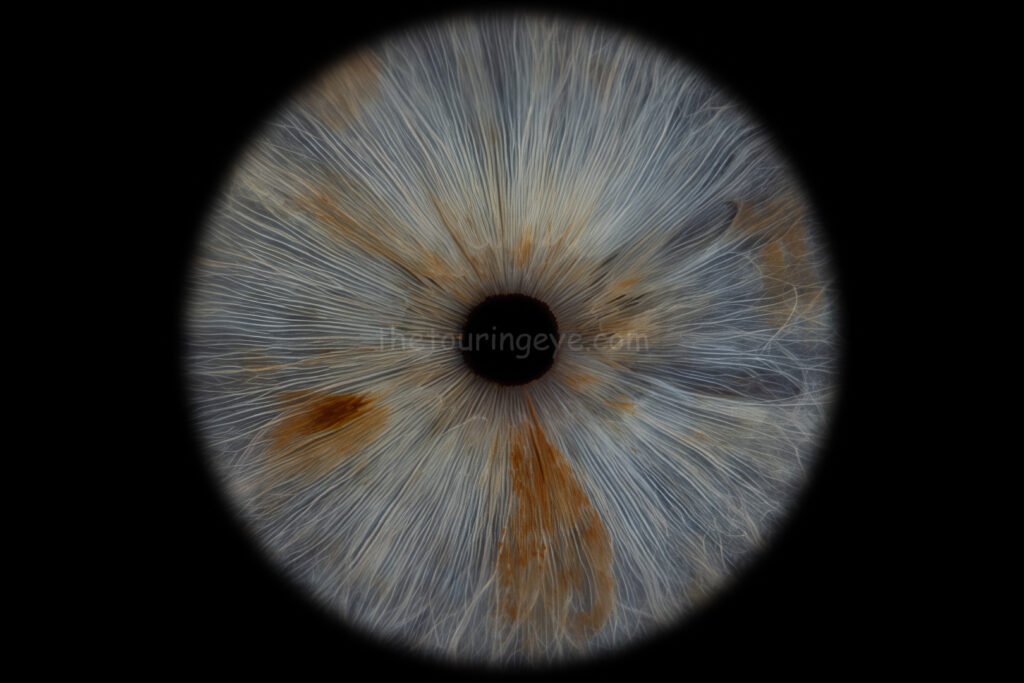
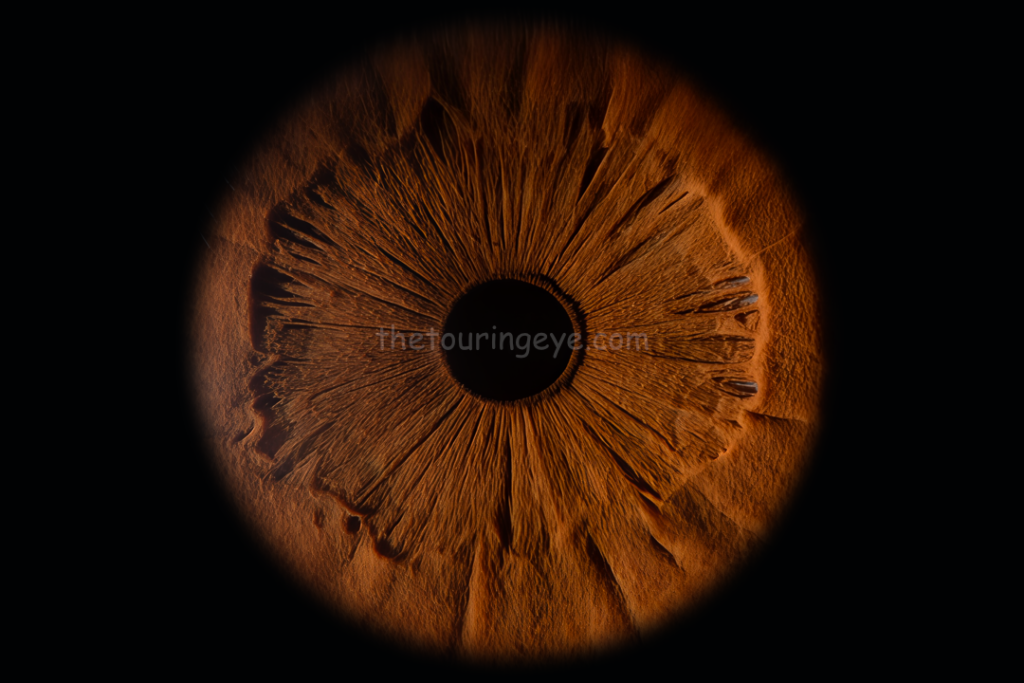
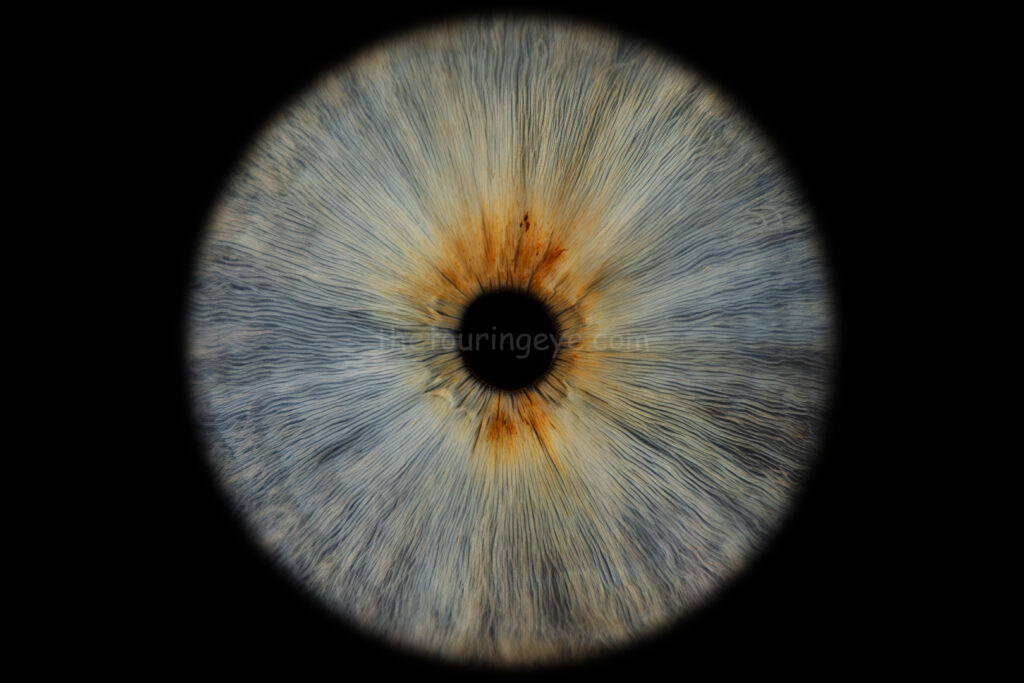
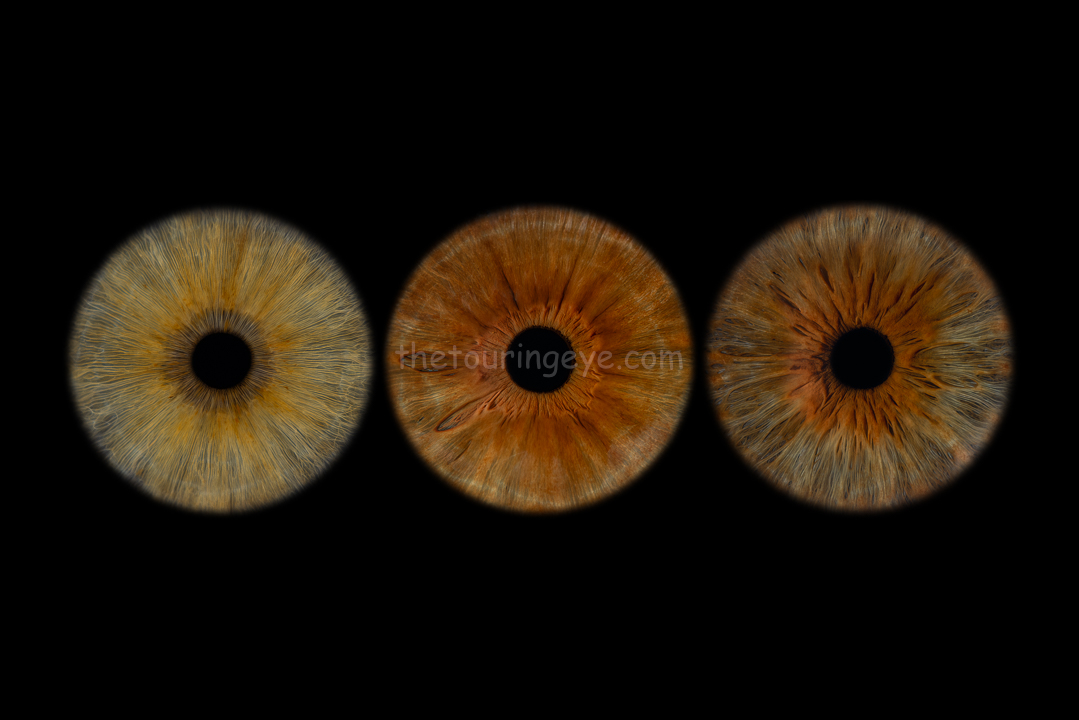
Iris photography is the art of capturing the colour, texture, fibres, patterns, and detail of the iris as a beautiful visual subject. It is creative, personal, and often surprisingly emotional because every iris is unique in appearance.
Iridology claims to interpret those patterns as signs of internal health. That is a medical claim, and medical claims require medical evidence.
Photographing the iris for artwork is completely different from claiming the iris can diagnose the state of someone’s organs. One belongs in the world of photography and personal keepsakes. The other belongs in the world of medical evidence, where it has not performed well.
So yes, your iris is fascinating. It is detailed, beautiful, and individual. But it is not a tiny NHS app with a built-in liver warning system.

What Should You Do Instead of Iridology?
If you have symptoms, concerns, changes in vision, eye pain, sudden floaters, flashes of light, unexplained headaches, yellowing of the eyes, new pupil changes, or anything that feels medically worrying, the safest route is proper healthcare.
Depending on the issue, that may mean:
- Booking an eye test with a qualified optometrist.
- Contacting your GP.
- Calling NHS 111 for urgent advice.
- Attending urgent eye care or A&E if symptoms are sudden or severe.
- Keeping diabetic eye screening appointments if you have diabetes.
- Following medical advice for blood pressure, diabetes, cholesterol, autoimmune conditions, or neurological symptoms.
It may sound less exotic than an iris chart, but boring medicine has one major advantage: it is much more likely to be right.
So, Is There Any Truth to Iridology?
There is truth in the broader idea that the eyes can reveal aspects of health. Proper medical eye examinations can detect signs of real disease, especially conditions affecting the retina, blood vessels, optic nerve, lens, cornea, and pupils.
But that is not the same as iridology.
The specific claim that iris patterns can be mapped to organs and used to diagnose disease is not supported by reliable scientific evidence. Controlled studies and systematic reviews have repeatedly failed to show that iridology works as a diagnostic tool.
The fairest conclusion is this:
Your eyes can say important things about your health, but iridology is not a reliable way to listen.
Frequently Asked Questions About Iridology
Is iridology scientifically proven?
No. Scientific reviews and controlled studies have not found convincing evidence that iridology can reliably diagnose disease.
Can iridology detect cancer?
There is no reliable evidence that iridology can detect cancer. If you are worried about cancer symptoms or risk, speak to a doctor and use evidence-based screening or diagnostic services.
Can your iris show health problems?
The iris itself is not proven to map internal organ health in the way iridology claims. However, proper eye examinations can reveal some health problems by examining eye structures such as the retina, blood vessels, optic nerve, cornea, and lens.
Is iridology the same as an eye test?
No. A proper eye test is carried out by a qualified eye care professional using recognised clinical methods. Iridology is an alternative practice based on unproven iris charts.
Is iridology harmful?
The examination itself is usually non-invasive, but the risk comes from relying on inaccurate information. It may delay proper diagnosis, create unnecessary anxiety, or lead to spending money on unproven treatments.
Why do people still use iridology?
People may be drawn to iridology because it feels natural, personal, and non-invasive. Some may also feel frustrated with conventional healthcare. However, personal appeal does not prove medical accuracy.
What is the difference between iris photography and iridology?
Iris photography captures the beauty and detail of the iris as art. Iridology claims to interpret iris patterns as health information. One is photography. The other is an unsupported diagnostic claim.
Final Thoughts
Iridology is an appealing idea because it promises something simple: look into the eye and understand the body. Unfortunately, the evidence does not support that promise.
The eye is medically remarkable, but it should be examined through proper clinical methods, not through unvalidated charts that claim your pancreas has a postcode in your iris.
If you enjoy looking at the iris, enjoy it for what it genuinely is: a stunning, intricate, highly individual part of the human eye. That is impressive enough without asking it to moonlight as a diagnostic spreadsheet.
Leave a Reply
You must be logged in to post a comment.