

Do Eyes Change Colour Based on Mood?
It is one of those things people often say with complete confidence: “My eyes change colour depending on my mood.”
You may have heard someone claim their eyes turn greener when they are happy, darker when they are angry, brighter when they are excited, or more blue when they are calm. It sounds wonderfully dramatic, doesn’t it? Very cinematic. Very “main character standing by a window during emotional turmoil”.
But is it actually true?
The short answer is: your actual iris colour does not normally change based on mood. However, your eyes can absolutely appear to change colour depending on emotion, lighting, pupil size, clothing, make-up, surrounding colours, hydration, tiredness, and even how bloodshot the eyes are.
So, no, your eyes are not quietly running a full Dulux colour chart every time you feel mildly irritated in a supermarket queue. But there are very real reasons why they may look different from one moment to the next.
In this article, we will look at the science behind eye colour, why mood can affect how your eyes appear, and when a genuine change in eye colour should be checked by an optometrist, GP, or eye specialist.
What Actually Gives Eyes Their Colour?
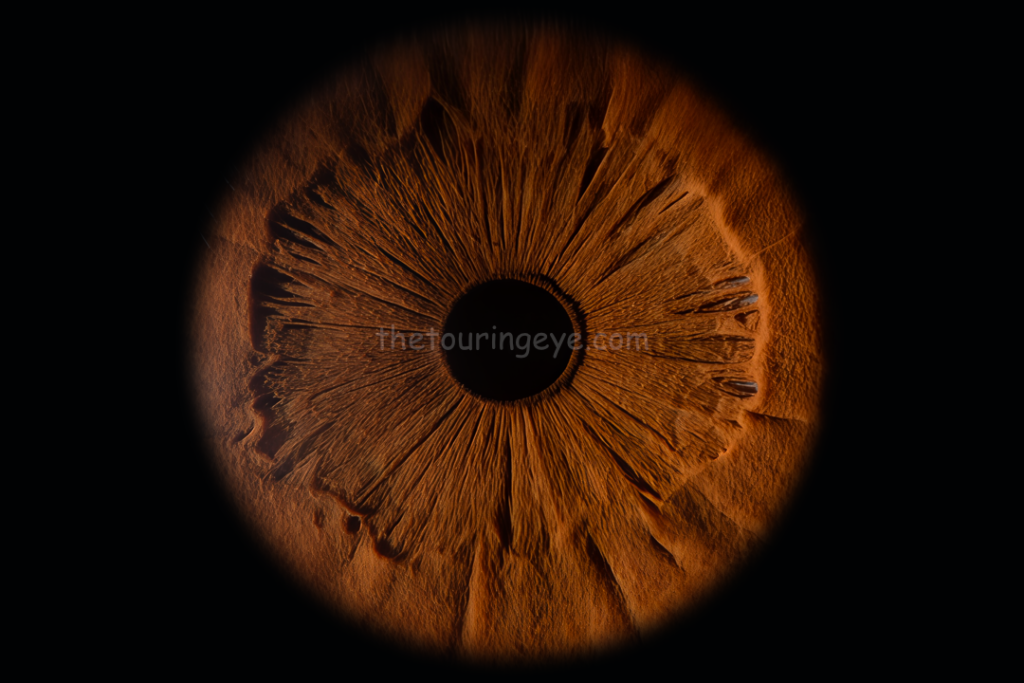
Your eye colour comes mainly from the iris, which is the coloured ring around the black centre of your eye.
The black centre is the pupil. It is not actually a coloured part of the eye. It is an opening that allows light to enter. The iris controls the size of the pupil by expanding and contracting.
The colour of your iris is mostly determined by the amount and distribution of melanin, the same broad type of pigment involved in skin and hair colour. Brown eyes contain more melanin. Blue eyes have much less melanin, and their colour is largely caused by how light scatters in the iris rather than by a blue pigment sitting there like paint.
Eye colour is also influenced by genetics, although it is more complicated than the old school “brown beats blue” explanation many of us were taught. Human genetics, inconveniently, refuses to behave like a neat little classroom diagram. Typical.
Once someone reaches adulthood, their natural iris colour is usually stable. The American Academy of Ophthalmology notes that true changes in eye colour can happen, but they are more commonly linked to factors such as genetics, disease, medication, or injury rather than mood.


So, Do Eyes Change Colour Based on Mood?
No — mood does not usually change the actual pigment of your iris.
If you are angry, sad, excited, nervous, happy, or deeply unimpressed by someone using Comic Sans on a business website, your iris pigment does not suddenly rearrange itself.
What can change is the way your eyes look.
That distinction matters.
Your eyes may appear darker, lighter, brighter, greener, bluer, greyer, or more intense depending on several factors. Mood can contribute to some of these changes indirectly, especially through pupil size, facial expression, blood flow, and tear film.
So when someone says, “My eyes change colour with my mood,” they may be describing a real visual effect. It is just not usually a true biological change in iris colour.
In plain English: your eye colour probably is not changing, but the way the colour is being seen can change quite noticeably.
How Mood Can Make Eyes Look Different
Emotions affect the body in all sorts of ways. Your heart rate changes, your breathing changes, facial muscles move, your pupils may alter in size, and your eyes may become watery, tired, wide, narrowed, or bloodshot.
The eye is a reflective, living structure. It is not a flat sticker. Light hits it, moves through it, reflects from it, and interacts with the pupil, iris texture, moisture, and surrounding features.
That means even small changes can affect how your eyes appear.
Let’s break down the main reasons mood can make eyes look as though they have changed colour.
1. Pupil Size Can Make Eye Colour Look Darker or Brighter
The pupil changes size constantly. It becomes smaller in bright light and larger in dim light. This is known as the pupillary light response. Cleveland Clinic explains that pupils constrict in bright light and dilate in dim light to control how much light enters the eye.
But light is not the only thing that affects pupil size.
Emotions can also influence pupil dilation. Excitement, attraction, fear, stress, surprise, and intense concentration can all affect the pupils because they involve the nervous system.
When your pupils dilate, the black centre of the eye becomes larger. This can make the surrounding iris look darker or more intense. In some people, especially those with lighter eyes, this change can be quite noticeable.
For example:
- Blue eyes may look deeper or more slate-coloured.
- Green eyes may look darker or more vivid.
- Hazel eyes may appear warmer, browner, or more golden.
- Brown eyes may look deeper and glossier.
The pigment itself has not changed. The proportions have. A larger black pupil changes the overall balance of what you see when looking at the eye.
Think of it like placing the same photograph in a different frame. The photo is unchanged, but the presentation alters how you perceive it. Humans are annoyingly easy to trick like that.
2. Lighting Has a Huge Effect on Eye Colour
Lighting is probably the biggest reason people think their eyes change colour.
Natural daylight, warm indoor lighting, fluorescent lighting, camera flash, phone screens, sunset light, and shaded environments can all make eyes look different.
This is especially true for people with blue, grey, green, or hazel eyes. These eye colours often contain complex patterns, rings, flecks, and variations in tone. When light hits them from different angles, different parts of the iris become more visible.
In bright natural light, a hazel eye may show more gold or green. In dim indoor light, it may look brown. A grey-blue eye may look icy blue in cool daylight but softer and darker indoors.
This has nothing to do with mood, although mood and lighting often happen together. For example, if someone is laughing outdoors in bright sunlight, their eyes may look brighter. If they are tired in a dim room, their eyes may look duller. It is easy to blame emotion when light is doing most of the heavy lifting, as usual, without asking for credit.
3. Tears and Moisture Can Make Eyes Look Brighter
Emotion can affect the tear film on the surface of the eye.
When someone is emotional, laughing, crying, or even just a bit teary-eyed, the eye surface becomes more reflective. This can make the eyes look brighter, glossier, and more intense.
That extra reflection can create the impression of a colour shift. Blue eyes may look more vivid. Green eyes may seem sharper. Brown eyes may look warmer and richer.
Again, the iris has not changed colour. The surface reflection has changed.
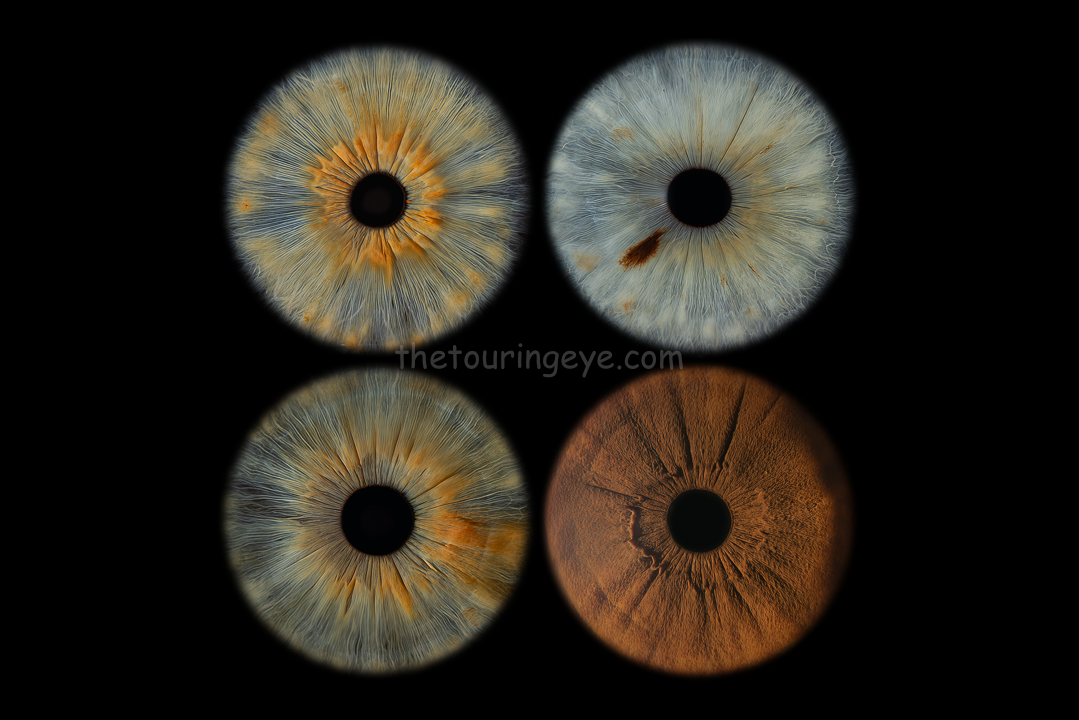
This is one reason emotional portraits can be so visually powerful. A tiny change in moisture, expression, and light can transform how the eyes appear in a photograph. It is also why iris photography can reveal detail people have never noticed before. The eye is not just “blue” or “brown”. It is a landscape of texture, pigment, rings, fibres, and contrast.
Not to be dramatic, but the human iris is basically nature showing off.
4. Bloodshot Eyes Can Change Contrast
When someone is tired, upset, stressed, unwell, or has been crying, the whites of the eyes may become redder. This does not change the iris, but it changes the contrast around it.
If the whites of the eyes are red or pink, green eyes may look greener by comparison. Blue eyes may seem sharper. Brown eyes may appear warmer. This is contrast perception — your brain comparing one colour against another.
This is the same reason a grey shirt can look different depending on whether it is placed next to black, white, blue, or beige.
The eye colour is not changing. Your visual system is interpreting the colour differently because the surrounding tones have changed.
5. Facial Expression Changes How We Notice the Eyes
Mood changes facial expression.
When someone is happy, their eyes may appear more open, relaxed, and reflective. When someone is angry or concentrating, the eyelids may narrow. When someone is tired or sad, the eyes may look heavier or less bright.
These changes affect how much of the iris is visible and how light reaches it.
For example, narrowed eyelids may cast shadows over the iris, making the eyes look darker. Wide-open eyes may catch more light, making the iris appear brighter.
So when people say, “Your eyes look different when you’re angry,” they may be right. But the difference is more likely caused by expression, pupil size, lighting, and contrast than a literal mood-based colour transformation.
Annoying for romantics. Great for science.
6. Clothing, Hair Colour and Make-Up Can Influence Eye Appearance
The colours around your face can strongly affect how your eyes appear.
A green shirt may bring out green tones in hazel eyes. A blue scarf may make blue eyes seem more vivid. Warm-toned make-up may highlight amber or golden flecks. Dark clothing may make light eyes appear brighter by contrast.
This is why people often say their eye colour changes depending on what they wear. In many cases, what is really happening is that certain colours are enhancing specific tones already present in the iris.
Hazel eyes are particularly famous for this. They often contain a mixture of brown, green, amber, and gold tones. Depending on light and surrounding colours, one tone may dominate more than another.
So yes, your outfit can make your eyes “pop”. Sadly, this does not excuse crimes against fashion, but it does explain the effect.


Can Hazel Eyes Change Colour With Mood?
Hazel eyes are one of the most common sources of confusion in this discussion.
People with hazel eyes often feel their eyes change from brown to green, or from green to gold, depending on mood or lighting. This is because hazel eyes are naturally multi-tonal. They often have a brown or amber ring near the pupil and greenish tones further out.
When the pupil expands or contracts, it can alter how much of each colour area is visually dominant. Lighting can also bring out different pigments and textures.
So hazel eyes may appear to shift colour more noticeably than plain brown or very dark eyes. But again, this is usually an appearance change, not the iris pigment changing in response to emotion.
For anyone offering iris photography, hazel eyes are often spectacular because the macro detail can reveal just how many colours are actually present. They are less “one colour” and more “small biological artwork that refuses to pick a side”.
Can Blue Eyes Change Colour With Mood?
Blue eyes can appear to change quite dramatically, especially in different lighting.
They may look pale blue, deep blue, grey, steel-coloured, or even slightly greenish depending on surroundings, light temperature, pupil size, and clothing.
Because blue eyes have relatively low melanin, their appearance relies heavily on light scattering. That makes them especially sensitive to changes in lighting conditions.
Mood may affect pupil size or teariness, which can make blue eyes appear more intense, but mood does not usually change the actual iris colour.
Can Green Eyes Change Colour With Mood?
Green eyes can also appear to change because they often contain a mixture of green, gold, amber, grey, or brown tones.
In bright light, the green may appear more obvious. In warm light, golden or amber tones may come forward. If the eyes are bloodshot, the contrast may make green tones stand out more.
So green eyes may look brighter during emotional moments, especially if the pupil changes size or the eyes become moist. But the underlying colour has not suddenly been emotionally upgraded.
Can Brown Eyes Change Colour With Mood?
Brown eyes usually contain more melanin, which means their colour often appears more stable. However, brown eyes can still look different depending on light, pupil size, reflection, and surrounding colours.
In bright sunlight, brown eyes may reveal amber, honey, copper, or golden tones. In dim light, they may look much darker. Emotional tears or glossy reflections can make brown eyes appear richer or more luminous.
So yes, brown eyes can appear to change too, just often more subtly than lighter eyes.
When Eye Colour Changes Are Normal
Some eye colour changes or variations are normal.
For example:
- Babies’ eyes can change colour as they develop.
- Eyes can look different in different lighting.
- Pupil size can make the iris appear lighter or darker.
- Clothing and make-up can enhance certain colours.
- Tiredness or tears can affect brightness and contrast.
- Ageing can subtly alter the appearance of the eyes.
In babies and young children, eye colour may continue developing as melanin levels change. In adults, however, true iris colour changes are less common and should be taken more seriously.
When Should You Worry About Eye Colour Changing?
A sudden or noticeable change in eye colour, especially in one eye, should not be ignored.
The American Academy of Ophthalmology lists several possible causes of eye colour changes, including disease, medication, trauma, and other medical factors.
You should seek professional advice if you notice:
- One eye changing colour but not the other.
- A new dark spot, patch, or mark on the iris.
- A sudden change in eye colour.
- Eye pain, redness, or light sensitivity.
- Blurred vision or sudden vision changes.
- A pupil that is suddenly a different size from the other.
- Colour change after an eye injury.
- Colour change after starting a new medication.
The RNIB advises getting same-day medical advice for sudden changes in vision, through a GP, optometrist, NHS 111, or A&E depending on symptoms.
This does not mean every colour variation is dangerous. Most are not. But if the change is new, persistent, one-sided, or linked with discomfort or vision symptoms, it is worth getting checked.
Eyes are marvellous, but they are not something to casually gamble with like a dodgy £3 phone charger from a petrol station.
Medical Reasons Eyes May Truly Change Colour
Although mood does not usually change eye colour, certain medical factors can.
These may include:
Eye Injury
Trauma to the eye can affect the iris or surrounding structures. If your eye colour changes after an injury, get it assessed.
Certain Medications
Some medications, particularly certain eye drops used for glaucoma, can darken the iris over time. This is usually gradual rather than sudden.
Inflammation Inside the Eye
Inflammation can affect the appearance of the iris and may be associated with pain, redness, light sensitivity, or blurred vision.
Pigment Conditions
Some conditions affect pigment in the eye and may change how the iris appears.
Iris Naevus or Melanoma
A freckle-like mark on the iris may be harmless, but new or changing marks should be assessed by an eye-care professional.
Horner’s Syndrome
This is a neurological condition that can affect pupil size and eyelid position. In some cases, it may be associated with differences in iris colour, particularly when present from early life.
The key point is simple: true eye colour change is not usually caused by mood, but it can sometimes be linked to health issues.


Why People Believe Their Eyes Change With Emotion
The belief that eyes change colour with mood is understandable because the visual effect can be real.
People often notice their eyes look different when they are:
- Excited
- Angry
- Crying
- Tired
- Happy
- Stressed
- In love
- In bright sunlight
- Wearing certain colours
- Being photographed
But several things are usually happening at once: pupil dilation, expression, moisture, lighting, contrast, and the colours around the face.
The brain then simplifies this into: “My eyes changed colour.”
That is not a silly thing to think. It is a reasonable interpretation of what you are seeing. It is just not quite what is happening biologically.
The eyes are not changing colour because of mood. They are changing appearance because mood affects the conditions in and around the eye.
Subtle difference. Big scientific distinction. Very on-brand for the human body to make everything needlessly complicated.
Why Iris Photography Shows Eye Colour So Differently
This is where iris photography becomes genuinely fascinating.
Most people think they know their eye colour. Brown. Blue. Green. Hazel. Grey.
Then they see a close-up iris photograph and realise their eye is full of fibres, rings, freckles, colour bursts, radial patterns, dark edges, golden flecks, and tiny details they have never noticed before.
A professional iris photograph uses controlled lighting, close focusing, and high-resolution capture to reveal the structure and colour variation in the iris. Because the lighting is controlled, it can show detail that normal everyday conditions hide.
This can make people feel as though their eye colour has changed, when really they are just seeing it properly for the first time.
It is a bit like cleaning a dirty window and discovering there was a view behind it. Except less grim and hopefully with fewer pigeons.
FAQs About Mood and Eye Colour
Do eyes really change colour when you are angry?
Not usually. Anger can affect facial expression, pupil size, blood flow, and how red the whites of the eyes appear. These changes can make the iris look more intense or darker, but the iris pigment itself does not usually change.
Why do my eyes look greener when I cry?
Tears make the eye surface more reflective, and redness around the eye can increase contrast. If you already have green or hazel tones in your iris, crying may make those colours appear stronger.
Why do my eyes look darker when I am stressed?
Stress can affect pupil size and facial tension. Larger pupils can make the eye look darker overall because the black centre takes up more visible space.
Can love or attraction make eyes change colour?
Attraction and emotional arousal can cause pupil dilation. This may make the eyes look darker, shinier, or more intense. Romantic? Yes. Literal colour transformation? Not so much.
Can eye colour change permanently?
Yes, but permanent eye colour change in adults is not usually caused by mood. It may be linked to ageing, injury, medication, inflammation, or eye disease. A noticeable or one-sided change should be checked.
Are colour-changing eyes a sign of illness?
Not always. Most apparent changes are due to lighting or pupil size. However, sudden, persistent, or one-sided changes should be assessed by a professional, especially if there is pain, redness, or vision change.
Final Answer: Do Eyes Change Colour Based on Mood?
Your eyes do not usually change their actual colour based on mood.
However, your mood can affect pupil size, teariness, expression, and the appearance of the surrounding eye area. Combined with lighting, clothing, make-up, and contrast, this can make your eyes look lighter, darker, brighter, greener, bluer, or more intense.
So when someone says their eyes change colour with emotion, they are probably noticing a real visual effect — just not a true change in iris pigment.
The honest answer is:
Mood can change how your eyes appear, but it does not normally change your actual eye colour.
And frankly, that is still pretty impressive. The human eye does not need magical mood-ring nonsense to be fascinating. It is already doing enough complicated work without being accused of interior decorating.
Leave a Reply
You must be logged in to post a comment.